
Transform Your Outdoor Space into a Garden Paradise
- Mar 13
- 4 min read
Updated: Apr 6
Gardening can be a source of joy and tranquility. With the right approach, you can create a beautiful outdoor space that reflects your personality and enhances your home. Let’s dive into some practical tips to help you on this journey.
Start with the Right Soil and Plants
Healthy plants begin with healthy soil. Testing your soil’s pH and nutrient levels can guide you in choosing the right amendments. For example, if your soil is too acidic, adding lime can balance it. Compost is a gardener’s best friend, enriching soil with organic matter and improving water retention.
Choose plants suited to your climate and soil type. Native plants often require less care and resist pests better. If you live in a dry area, drought-tolerant plants like lavender or succulents reduce watering needs. Matching plants to your environment reduces frustration and increases success.
Plan Your Garden with Purpose
A well-planned garden saves time and effort. Sketch your garden layout before planting. Group plants with similar water and sunlight needs together to simplify care. Consider the mature size of plants to avoid overcrowding.
Include a mix of perennials and annuals. Perennials return year after year, providing a reliable backbone. Annuals add seasonal color and variety. Planning also means scheduling tasks like pruning, fertilizing, and harvesting so you don’t feel overwhelmed.
Embrace Routine and Flexibility
Gardening thrives on routine but benefits from flexibility. Set aside regular times each week for watering, weeding, and checking plants. This keeps problems small and manageable.
At the same time, be ready to adapt. Weather changes, pests, or unexpected growth spurts may require adjusting your plans. Accepting that not everything will go perfectly helps maintain a positive attitude.
Use Natural Pest Control Methods
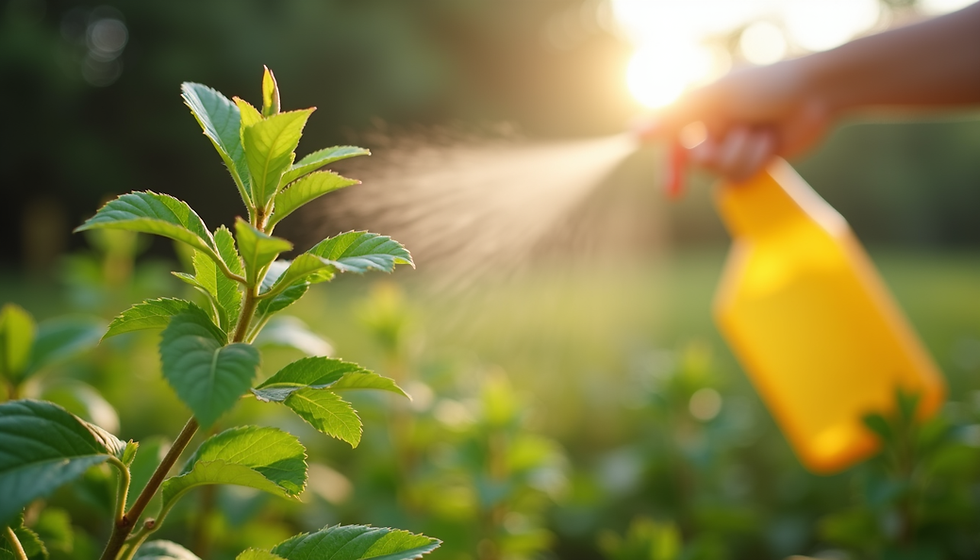
Pests can be a major source of frustration. Instead of reaching for harsh chemicals, try natural methods. Introducing beneficial insects like ladybugs or praying mantises can control aphids and other pests.
Companion planting also helps. For example, planting marigolds near tomatoes can deter nematodes. Handpicking pests and using homemade sprays made from garlic or neem oil are effective and safe alternatives.
Practice Mindful Gardening
Gardening offers a chance to slow down and connect with nature. Use this time to practice mindfulness. Focus on the textures, colors, and smells around you. Notice the rhythm of your breath as you work.
Mindful gardening reduces stress and increases enjoyment. It turns chores into moments of calm and reflection. Even five minutes spent fully present in the garden can lift your mood.
Keep a Garden Journal
Tracking your garden’s progress helps you learn what works and what doesn’t. Note planting dates, weather conditions, and plant performance. Record successes and failures without judgment.
A journal becomes a valuable resource for future seasons. It also encourages a growth mindset, reminding you that gardening is a process of learning and discovery.
Connect with Other Gardeners
Sharing experiences with fellow gardeners builds community and support. Join local gardening clubs, attend workshops, or participate in online forums. Exchanging tips and stories can inspire new ideas and solutions.
Gardening with others also adds joy. Group projects like community gardens create a sense of belonging and shared accomplishment.
Celebrate Small Wins
Gardening is a journey, not a race. Celebrate small achievements like the first bloom, a successful harvest, or a pest-free week. These moments build confidence and motivation.
Avoid comparing your garden to others. Every garden is unique, shaped by its environment and gardener. Focus on your own progress and the pleasure your garden brings.
Take Care of Yourself
Physical activity in the garden benefits health, but it’s important to avoid injury. Use proper tools and techniques to protect your back and joints. Take breaks and stay hydrated.
Gardening also supports mental well-being. The combination of fresh air, sunlight, and purposeful work can reduce anxiety and improve mood. Treat your garden time as self-care.
Keep Learning and Experimenting
Gardening is a lifelong learning experience. Read books, watch videos, and try new plants or methods. Experimenting keeps the hobby fresh and exciting.
Don’t be afraid to make mistakes. Each challenge teaches something valuable. Over time, you’ll develop your own style and rhythm that suits your garden and lifestyle.
The Joy of Gardening in Limassol
Living in Limassol, you have a unique opportunity to cultivate a garden that thrives in a beautiful Mediterranean climate. The warm sun and mild winters create ideal conditions for a variety of plants. Embrace this environment by selecting plants that flourish in your area. This not only enhances your garden but also contributes to the local ecosystem.
Gardening is not just about aesthetics; it’s about creating a sanctuary. Your garden can be a peaceful retreat, a place to unwind after a busy day. By nurturing your outdoor space, you nurture your well-being.
In conclusion, gardening is a rewarding journey filled with opportunities for growth and joy. Remember to enjoy the process, celebrate your successes, and learn from your challenges. With these tips, you can transform your garden into a beautiful oasis that brings you peace and happiness.
Let’s make gardening a source of joy and tranquility in your life!

Comments