
How to Create a Sustainable Garden in Small Spaces
Creating a garden in a small space can feel challenging, but it offers a rewarding way to connect with nature and grow your own plants. Sustainable gardening not only benefits the environment but also makes the most of limited space and resources. This guide will show practical steps to build a thriving, eco-friendly garden even if you only have a balcony, patio, or tiny backyard.
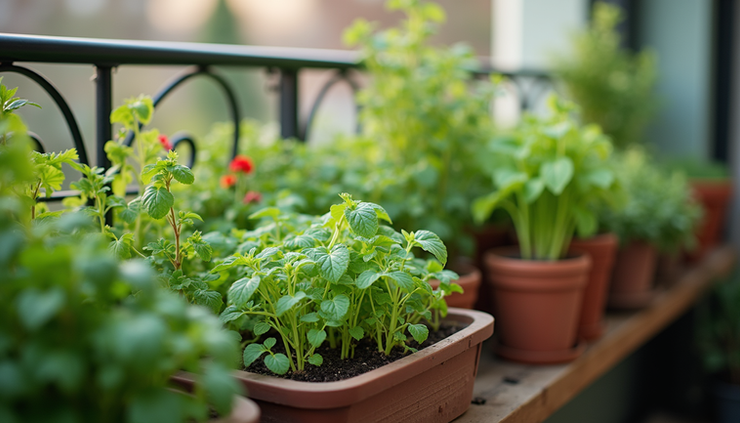
Choose the Right Plants for Small Spaces
Selecting plants suited to your space and climate is the foundation of a sustainable garden. Focus on:
Compact or dwarf varieties: Many vegetables and fruit plants come in smaller versions that fit well in containers or tight spots.
Native plants: These require less water and care because they are adapted to your local environment.
Perennials: Plants that come back year after year reduce the need for replanting and soil disturbance.
Edible plants: Growing herbs, salad greens, or small vegetables can provide fresh food and reduce your carbon footprint.
For example, cherry tomatoes, lettuce, basil, and strawberries are excellent choices for container gardens. They grow well in pots and provide fresh produce without taking much space.
Use Vertical and Container Gardening Techniques
Maximize your small area by growing upwards and using containers creatively:
Vertical gardens: Install trellises, hanging planters, or wall-mounted pockets to grow climbing plants like beans, peas, or cucumbers.
Stacked planters: Use tiered shelves or stacked pots to increase planting area without expanding your footprint.
Recycled containers: Repurpose old buckets, wooden crates, or tins to hold soil and plants, reducing waste and cost.
Vertical gardening not only saves space but also improves air circulation and sunlight exposure for your plants.
Improve Soil Health Naturally
Healthy soil supports strong plants and reduces the need for chemical fertilizers. In small gardens, soil quality can be limited, so focus on:
Composting: Use kitchen scraps and garden waste to create nutrient-rich compost. This enriches soil and reduces landfill waste.
Mulching: Apply organic mulch like straw or wood chips to retain moisture, suppress weeds, and add nutrients as it breaks down.
Avoid synthetic chemicals: Use natural pest control methods such as neem oil, insecticidal soap, or companion planting to keep pests in check.
If you use containers, choose high-quality organic potting mix and refresh it each season to maintain fertility.
Conserve Water Efficiently
Water is a precious resource, especially in small gardens where overwatering can harm plants and waste water. Try these water-saving tips:
Drip irrigation or soaker hoses: These deliver water directly to the roots, minimizing evaporation.
Water early or late: Watering in the morning or evening reduces water loss from heat.
Collect rainwater: Use rain barrels or containers to capture and reuse rainwater for irrigation.
Choose drought-tolerant plants: Succulents, lavender, and rosemary need less water and thrive in dry conditions.
By conserving water, you support sustainability and keep your plants healthy.
Encourage Biodiversity and Pollinators
Even small gardens can become havens for beneficial insects and wildlife, which help maintain a balanced ecosystem:
Plant flowers that attract pollinators: Marigolds, sunflowers, and lavender bring bees and butterflies.
Create habitats: Add a small birdhouse, insect hotel, or shallow water dish to support wildlife.
Avoid pesticides: Chemicals harm pollinators and beneficial insects, so use natural pest control methods.
Supporting biodiversity improves plant health and contributes to a healthier environment.

Maintain Your Garden with Sustainable Practices
Keeping your garden sustainable means ongoing care that respects nature:
Rotate crops: Change plant locations each season to prevent soil depletion and reduce pests.
Harvest regularly: Picking ripe vegetables and herbs encourages more growth.
Prune and deadhead: Removing dead or overgrown parts keeps plants healthy.
Reuse and recycle: Save seeds, reuse containers, and recycle garden waste.
Small, consistent efforts help your garden thrive without extra strain on resources.


Comments